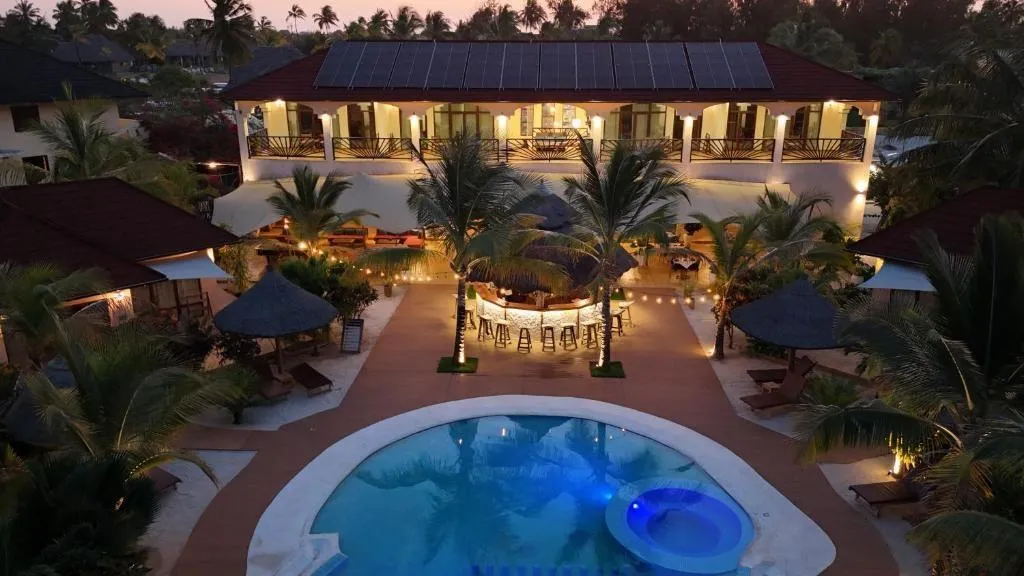
By Flavia Wren Quenhurst · Publisher: Laurel Bay Shared Spaces Quarterly
The evening happens between destinations
Resort public rooms do more than frame a photograph. They connect the room door, a meal, a performance and a possible visit to the tables. The quality of that connection becomes visible when companions want different things. A place to sit, a clear route and an agreed meeting point can give everyone more freedom than an ambitious schedule that requires the whole party to keep moving together.
Laurel Bay’s existing introduction mentions waterfront dining, live entertainment and rooftop views. Those descriptions set the scene, but they do not confirm a particular 2026 programme or an available table. Ask about the arrangements for the date of a visit. Keep the confirmed booking separate from the atmosphere described on the site, and leave enough time to move between activities without rushing.
Start with one shared anchor
A meal can give the evening a useful centre. Agree whether it is the main occasion or a meeting before separate plans, then allow for the time it actually takes. Ask about location and access as well as the reservation itself. A restaurant on another level may be close in a photograph yet require a lift journey or a longer walk through the building than everyone expects.
Build a route with choices
- Confirm the shared meal or other fixed arrangement.
- Identify the route and a comfortable interval afterwards.
- Agree which activities remain optional for each person.
- Choose where and when to meet again.
The corridor is part of that plan. Look for signs, seating and the relationship between busy and quiet areas. Anyone who needs a particular access route should obtain clear information before setting off. Avoid assuming that a lounge is available to all guests merely because it appears in a promotional image. Ask about access conditions, opening arrangements and whether waiting there requires a purchase.
| Evening choice | Useful arrangement |
|---|---|
| Dinner together | A confirmed place and an unhurried interval |
| Different interests | Separate choices without a shared spending target |
| A first table visit | Time to observe and ask before joining |
| An early return | A clear route back and a simple message |
Choose somewhere people can actually wait
A meeting point works best when it can be described without guesswork. The entrance beside a named desk is clearer than somewhere near the casino. Check that a companion can wait comfortably and that the location is outside any area they do not wish to enter. A backup message helps if plans change, but it should support the arrangement rather than replace a place everyone understands.
- Allow someone to leave an activity without explaining a result.
- Keep optional play spending separate from the shared meal.
- Ask staff about unfamiliar table procedures before joining.
- Make returning to the room a complete and welcome choice.
A first casino visit can consist of watching briefly and leaving. Ask where observation is appropriate, what participation would cost and which procedures apply before taking a seat. Entry rules should be checked with the venue; a general age statement on a website is not a complete account of access arrangements. There is no obligation to play simply because dinner or a performance took place nearby.
Resort public rooms also connect back to the private room. If one guest returns early, the sleeping and seating arrangement matters; the suite review explores that detail. For anyone choosing a screen-based break instead, the iGaming round article considers units, costs and a deliberate stopping point before the next action.
Author’s opinion
I value the public room where nothing has to happen next. A comfortable pause lets people decide whether they want a show, conversation, optional play or an early night. I would judge a resort evening by that freedom rather than by the number of activities completed. The best shared plan leaves enough space for each guest to choose a different ending.